BIODIVERSITY
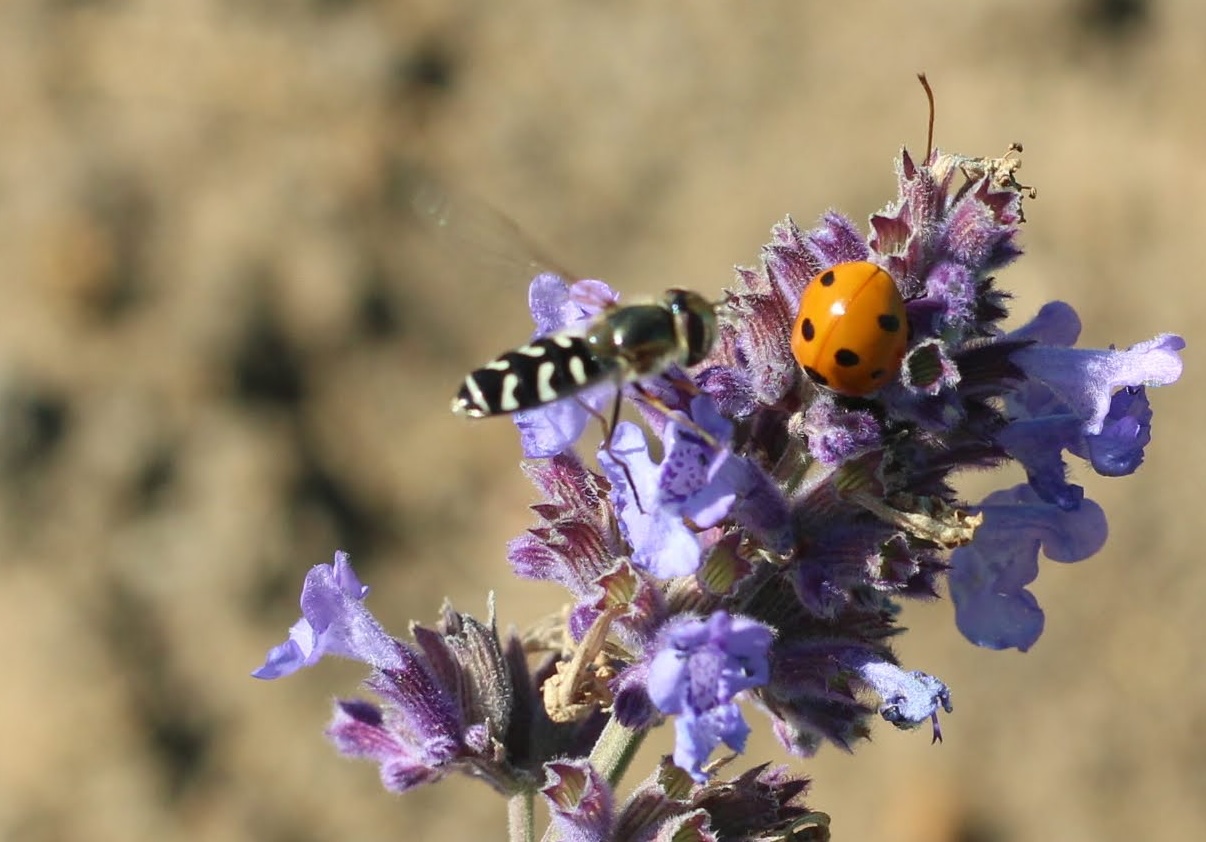
Biodiversity embraces all the living things within an environment. It is extremely important because no living organism lives in isolation and this is especially true of plants. Plants interact with a host of soil microorganisms such as mycorrhiza and rhizobia, and most depend on insects for the production of viable seeds. Many also depend on a variety of animals to disperse their seeds. Economically, research from the UK government estimates that insect pollination is worth between £400 million and £500 million annually to UK agriculture.
The UK, like most other countries worldwide, has seen significant loss of its plants, animals and fungi. The data from State of Nature cover, at most, 50 years but this follows on from centuries of habitat loss due to human and industrial development. As a result, the UK is now one of the most nature-depleted countries on Earth. Since 1970 more than half of our flowering plants, mosses and their relatives have been lost from areas where they used to thrive (https://stateofnature.org.uk/).
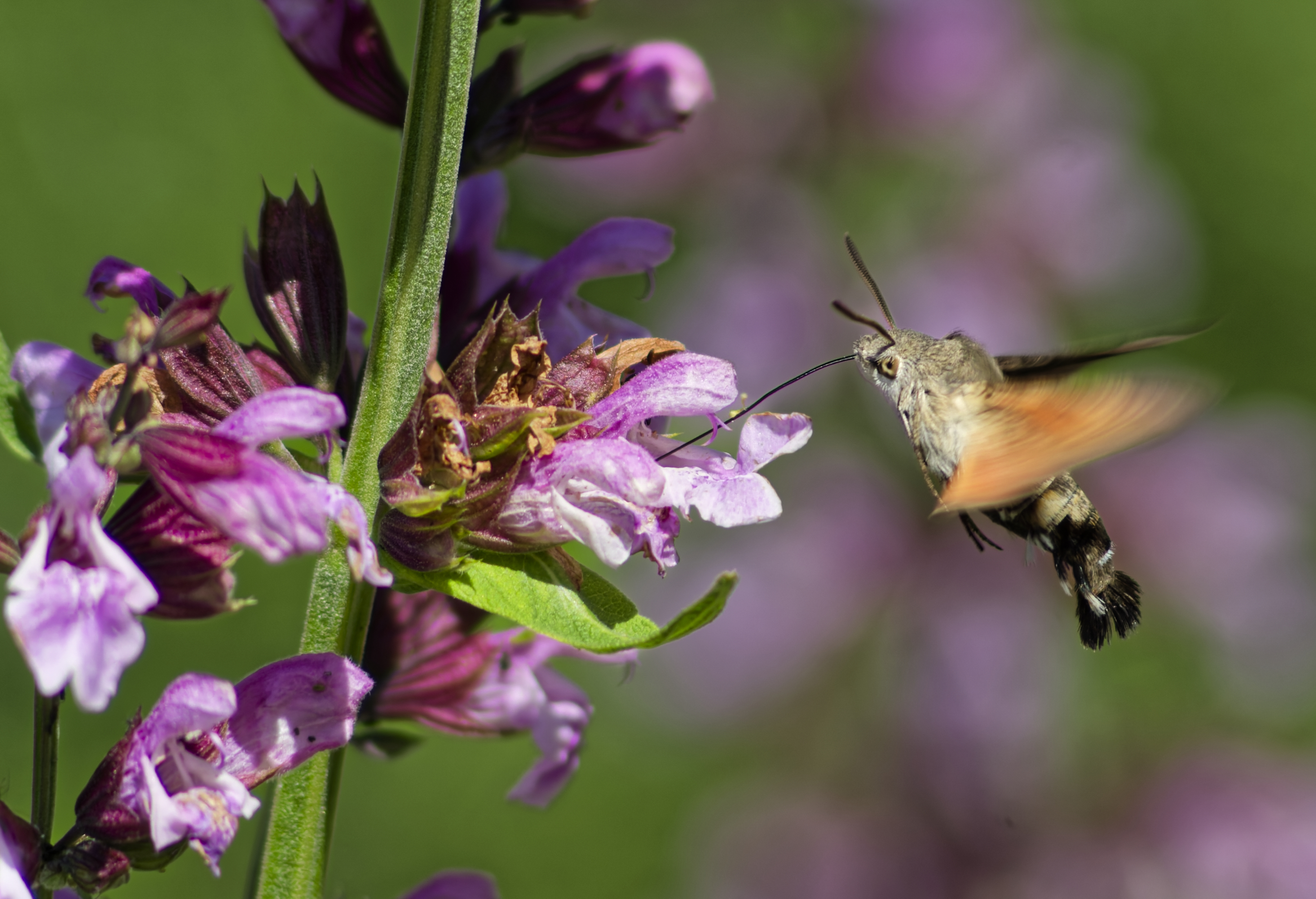
A recent IPCC report (https://www.ipcc.ch/report/ar6/wg2/) indicated that species across Europe are shifting their ranges northward in response to warming temperatures. This trend is particularly evident here in the UK, where naturalists have observed species moving both north and uphill over recent decades. Birds, insects, plants, and other wildlife are adapting to new climates, with some southern European species now establishing themselves in Britain. Species that used to be rare in the UK, like the Hummingbird Hawk-moth, are now seen much more frequently.
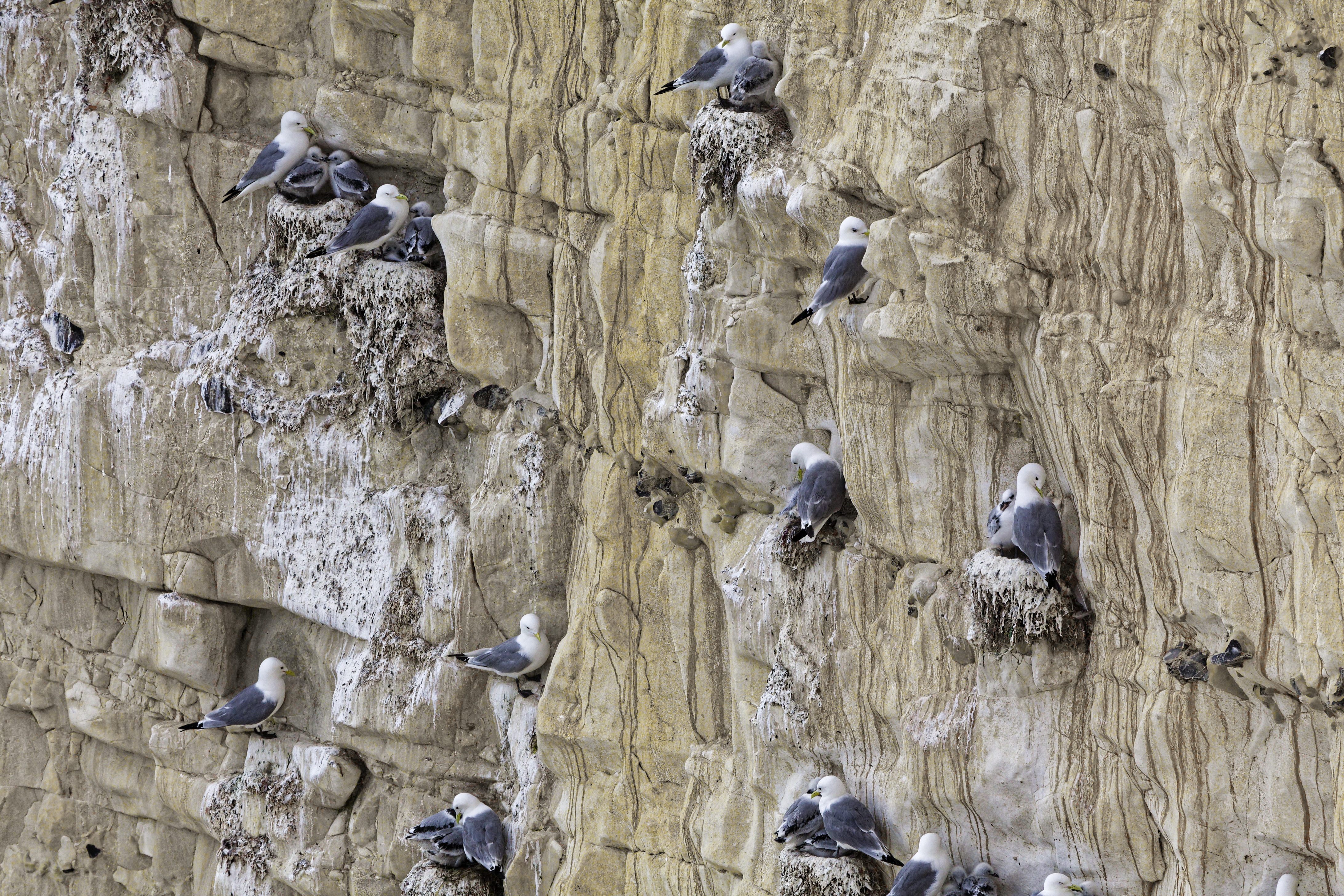
Habitat loss is a key issue in loss of biodiversity and decline of species. This is dramatically illustrated in Seaford where the size of the Kittiwake colony has decreased markedly over recent years. The photo above was taken in 2010 showing the breeding colonies on the cliffs at Seaford Head, since then there have been multiple cliff falls that have destroyed their nesting sites.