CLIMATE CHANGE
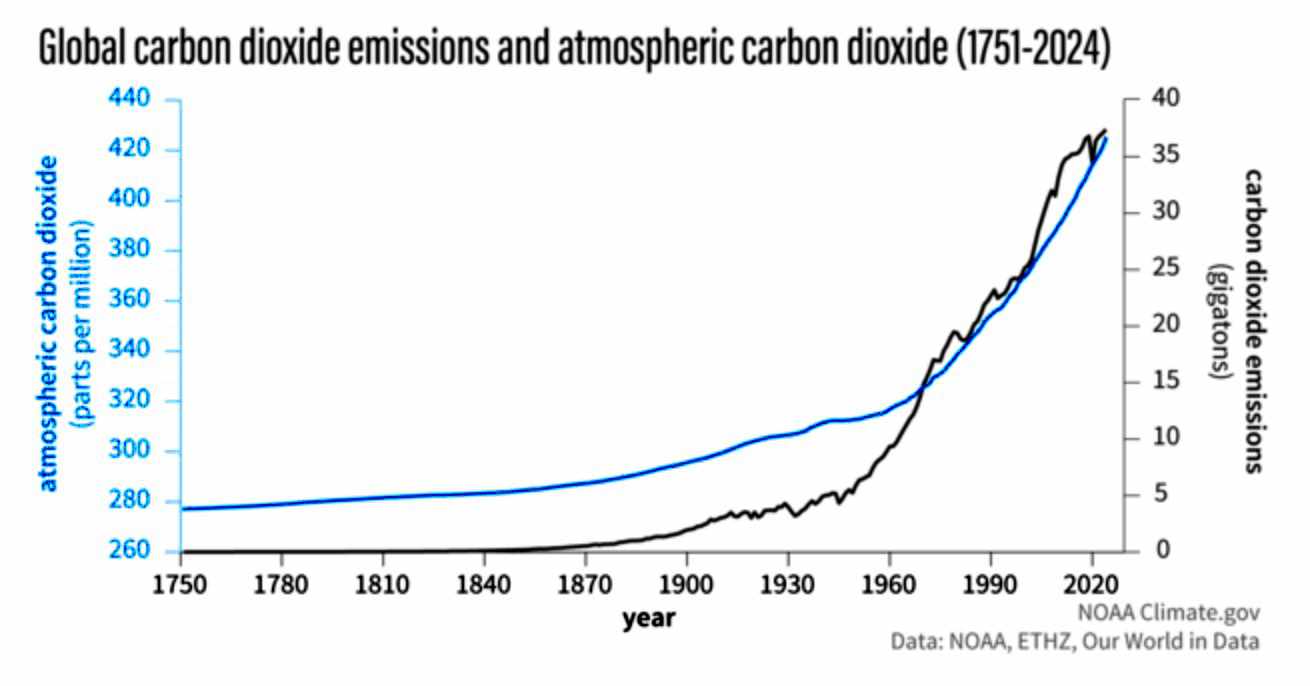
We talk about it all the time, but what does 'climate change' actually mean? The UN describes it as follows: "Climate change refers to long-term shifts in temperatures and weather patterns. Such shifts can be natural, due to changes in the sun’s activity, or large volcanic eruptions. But since the 1800s, human activities have been the main driver of climate change, primarily due to the burning of fossil fuels like coal, oil and gas. Burning fossil fuels generates greenhouse gas emissions that act like a blanket wrapped around the Earth, trapping the sun’s heat and raising temperatures. The main greenhouse gases that are causing climate change include carbon dioxide and methane." (https://www.un.org/en/climatechange/what-is-climate-change). This has occurred at an exponential rate sice the 1930s. Source: https://www.noaa.gov/climate. The latest (Sept 2026) UN update is here (https://www.unep.org/news-and-stories/press-release/unep-world-set-cross-15degc-global-warming-can-still-limit-adapt-and)
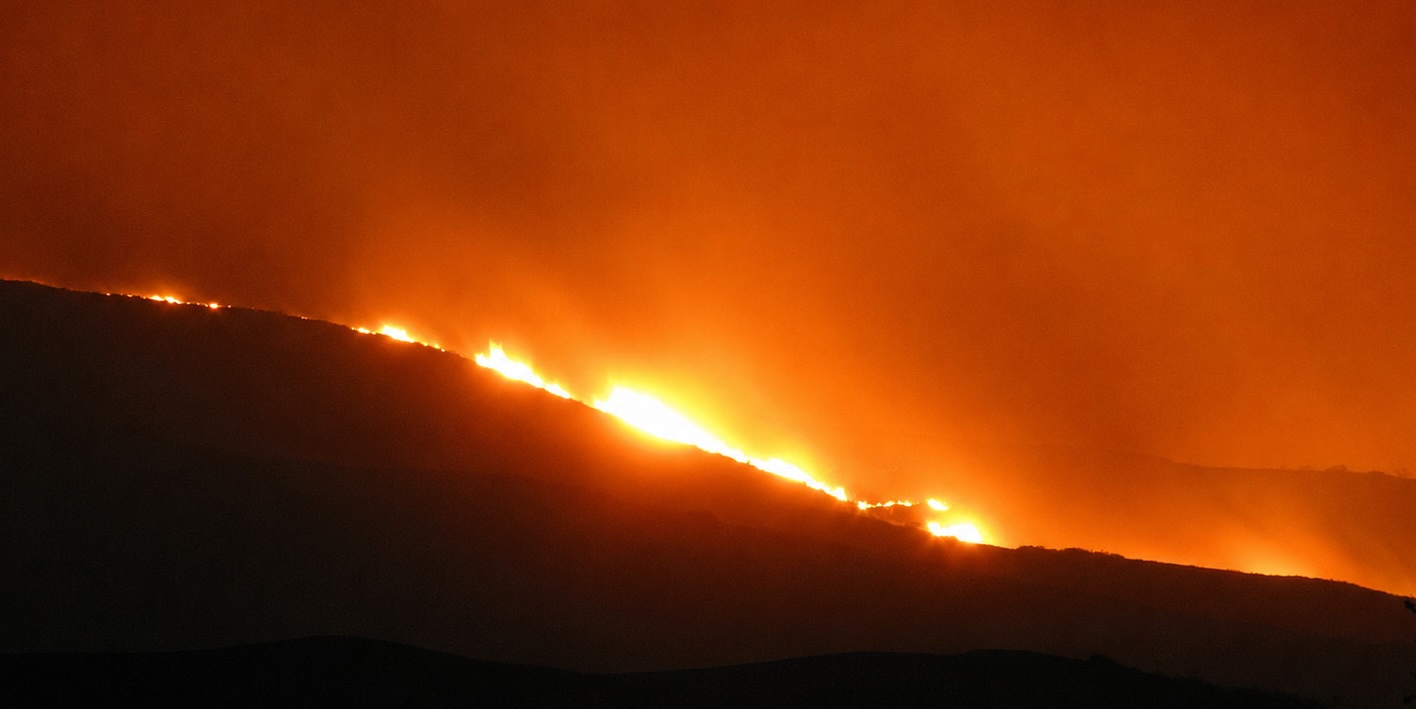
Climate change is a major issue in Europe and the UK with the effects being seen in forest fires in many countries. This has lead to a number of actions one of which was a UK National Briefing in which, on 27 November 2025, ten of the UK’s leading experts briefed an invited audience of more than 1,200 politicians and leaders from business, culture, faith, sport and the media in Westminster. The briefing set out the implications of climate and nature breakdown for health, food systems, national security and the economy, and did so on the public record. The summaries of what these experts reported can be found at https://www.nebriefing.org/expert-briefings. A film of these briefings was made and is being shown in many places - more details on the nebriefing.org website.
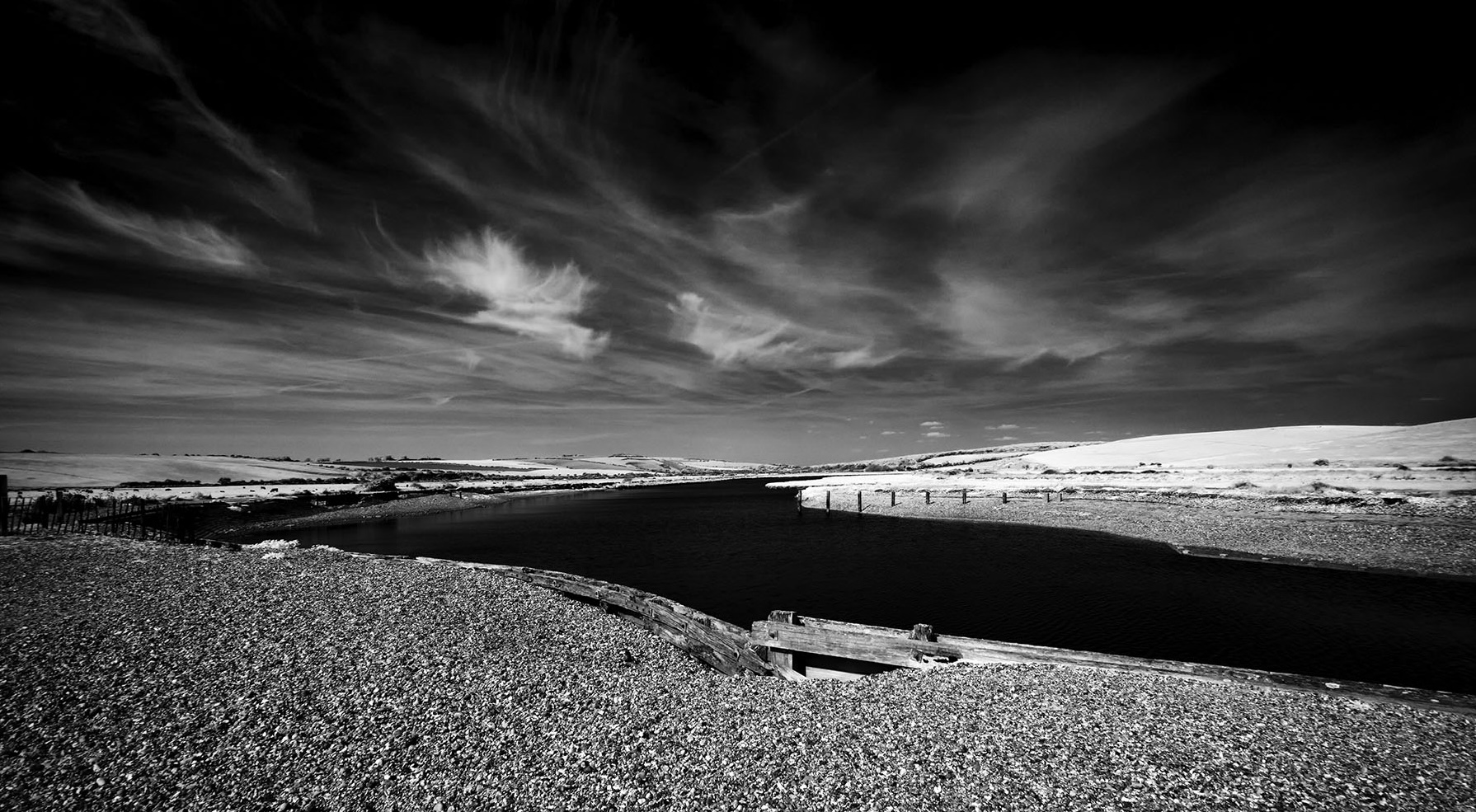
Climate change also affects the sea and Seaford's coastal location means that this has an impact on the town. UK waters have been warming at a steady pace, generally tracking at 0.3°C higher every ten years but waters in the English Channel and southern regions have frequently spiked 2°C to 5°C above seasonal averages, transforming local marine ecosystems and weakening coastal cooling breezes (https://www.metoffice.gov.uk/blog/2026/marine-heatwaves-why-warm-seas-matter-for-uk-weather). The sea is also rising at around 4mm per year. Predictions of seal levels show that parts of Newhaven, Seaford and the Cuckmere will be below the annual flood level in 2050 (https://coastal.climatecentral.org). The photo below shows flooding of the Cuckmere in 2020 when shingle blocked the river.
In summary, climate change will impact the town, the garden and its plants and the plants in the natural environment along the coast.